Saving America
2026 Midterms: Senate Races, Economy & Voter Verification — September Election Update
Dr. David D. Schein reviews the final stretch before the November 3, 2026 midterm elections, covering the economy,...
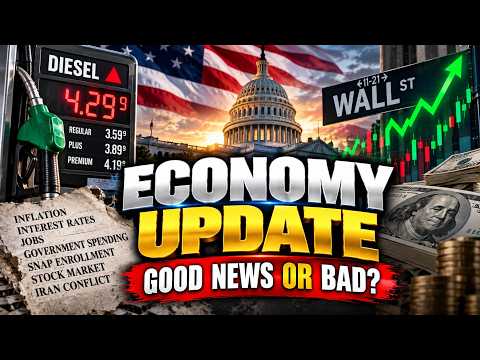
Voters often evaluate economic leadership through prices, wages, jobs, housing costs, interest rates, and personal financial security rather than through one national statistic.
The phrase “It’s the economy, stupid” remains influential because voters often judge leadership through daily financial experience. Economic data matter, but elections are frequently shaped by whether households believe they are gaining stability or losing ground.
Prices, wages, employment, housing, savings, and borrowing costs affect daily life. Voters may disagree about policy but still share a practical concern about whether their financial position is improving.
Both can matter. Slower inflation is an improvement, but families may remain dissatisfied because groceries, insurance, rent, and other expenses are still much higher than before.
Higher mortgage, auto-loan, and business-financing costs can make the economy feel weak even when employment remains relatively strong. Prospective homebuyers are especially sensitive to monthly payment changes.
Yes. Economic turning points may appear in national data before hiring, wages, housing, and local business activity improve enough to change public sentiment.
The campaign demonstrated how strongly economic perception can affect an incumbent. Historical interpretation should account for the timing of the downturn, recovery, campaign strategy, and public confidence rather than reducing the result to one slogan.
No single indicator predicts voter behavior. Useful measures include inflation, real wages, employment, interest rates, consumer confidence, household debt, business investment, and regional conditions.
No. Public safety, foreign policy, candidate character, healthcare, abortion, immigration, and other issues can dominate. The economy is powerful because it touches nearly every voter, but it is not the only influence.
Related DDSA coverage examines why official economic messages can conflict with household experience and how housing policy affects affordability.
Explore related DDSA coverage in the Economy episode archive.
Watch the full episode: It’s the Economy, Stupid: Will Voters Decide With Their Wallets?
© Copyright 2026 Claremont Management Group, Inc. All Rights Reserved. No copyright asserted over US Government material or the copyrighted material of others.